16 February 2013

Tridosha Concept

Ayurveda medical science is based on fundamental principles which govern the function of human bodies on the physical and emotional level. Whole body is made up mainly Dosha, Dhathu and and Mala. Dosha means bio energies which control metabolism and all other functions of human body include with mind. Dhathu means all anatomical elements of the body and Mala means all waste products like feces, urine and sweat of human body.

Tridosha
Tridosha is the main concept of Ayurvedic medical science. It includes three sections. They are Vatha Pittha and Kapha. The equilibrium of these doshas provide complete health and imbalance of these doshas lead to various disorders.

Vatha
Vatha is the most important part of Thidosha concept. It is a combination of air and space. Vatha is light, cool, dry and can move like wind.
Vatha is located at large intestine, hip area, thigh area, ears, bones, bone marrows, skin legs, foot and all part under the umbilical region. It is being responsible for all movements in whole body include with mental activities. Including such as blood circulation, respiration, nerve impulses, speech, sensation, motivation and contraction of muscles, hearing, touch, excretion, sexual acts, formation of foetus, and feelings like fear, grief, anxiety and enthusiasm.
When imbalance of Vatha dosha may lead to a wide range of complications like anxiety, arthritis, Osteoporosis, constipation, skin dryness, mental confusion and disconnected speech.
Prana Vatha, Udana Vatha, Samana Vatha, Vyana Vatha and Apana Vatha are five sub divisions of Vatha Dosha.

 Pittha
Pittha dosha is a combination of fire and water. It has hot, sharp, oily, light and mobile qualities. Pittha is located at stomach, pancreas, small intestine, blood, eyes, skin, taste, synovial membrane, sweat gland and around the umbilical region.
It is being responsible for all metabolic activities in whole body such as feeling hunger and thirst, digestion of foods, makes skin colour, maintains the body temperature, transformation of all material, converts images into optic nerve impulses and comprehension of information into knowledge.
When out of balance they tend toward gastritis, diarrhea, heart burn, Hypertension, migraine, anger, infections, skin disorders and weakness in the liver, spleen and blood.
There five sub divisions in Pittha dosha. They are Pachaka Pittha, Bhrajaka Pittha, Ranjaka Pittha, Sadhaka Pittha and Alochaka Pittha.

Kapha
Kapha dosha is a fusion of water and earth. It is cool, heavy, moist, dull and dense. Lungs, throat, head, joints, fat, nose, tongue, taste and mainly thoracic region associate with Kapha.
It provides the structures and lubrication in the body. Kapha relates to produce healthy offspring, prevent excessive friction from occurring between the various parts of the body, perform strength of physical body and maintain stability of mind.
When imbalance of Kapha dosha may lead to various types of disorders such as congestion, Obesity, allergies, swelling, thirst, asthma, cough somnolence and Sinus problems.
Kleshaka Kapha, Sleshaka Kapha, Bodhaka Kapha, Tharpaka Kapha and Awalambaka Kapha are five types of Kapha Dosha.

28 January 2013

Ashtanga Ayurveda - 2


Bhutha Vidya Tantra (Psychiatry and Ritual)


Bhutha Vidya is focused on the diseases and problems are caused due to disturbances in mental health. It deals with psychosomatic diseases like insanity, epilepsy and affliction of unknown factors such as evil spirits and ghosts.
Ayurvedic treatment methods for these diseases are based on astrology, ceremonial dance, exorcism, amulet and charm.
  

Kaumarabrutya Tantra (Gynecology, Obstetrics and Pediatrics)


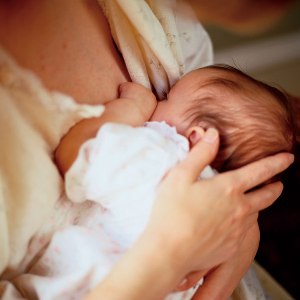
Kaumarabrutya Tantra deals with caring of pregnancy period and delivery, regulating lactation issuers of mother, management and development of child, prevent illnesses and diseases in childhood. All those aspects are included with Kaumarabrutya Tantra.  


 Agada Tantra (Toxicology)


This form of treatment deals with the toxicology like bites by snakes, insects, rodents, spiders and scorpions and also poisoning of plants, minerals and metals.
  
Rasayana Tantra (Gerontology)


Rasayana Chikitsa is the rejuvenating therapy, which promotes rejuvenation in a healthy person. It deals with various aspects of the prevention of various diseases and thereby managing health care to achieving a long and healthy life.
It helps a person to maintain good physical and mental health. It includes longevity, develop memory, health, youthfulness, glow, complexion, generosity, strength of body and senses. They also stimulate the metabolic activities.

Vajikarana Tantra (Aphrodisiac therapy)


It explains the style of producing healthy progeny for the creation of a better society. It deals with various diseases like infertility and conditions relating semen.
This therapy improves the virility and the sexual ability of a person when becomes capable of copulating with a woman and also helps in nourishing the body of the person. 

19 January 2013

Ashtanga Ayurveda - 1


Ayurvedic medical science is divided to 8 major branches according to their treatments. They are;
1.            Shalya Tantra (Surgary)
2.            Shalakya Tantra (Treatment of disease above the Neck)
3.            Kayachikitsa Tantra (Medicinal Therapeutics)
4.            Bhutha Vidya Tantra (Psychiatry)
5.            Kaumarabrutya Tantra (Gynecology, Obstetrics and Pediatrics)
6.            Agada Tantra (Toxicology)
7.            Rasayana Tantra (Gerontology)
8.            Vajikarana Tantra (Aphrodisiac therapy)

Shalya Tantra (Surgary)


The word Shalya refers to the effects that cause discomfort to the body. Shalya Tantra deals with treatment of diseases caused by foreign bodies like tumors, lumps, splinters, stones, thrones, iron pieces and diseases that require surgical treatments.

It uses four types of surgical instruments such as Yantra (Instruments), Shastra (Sharp tools), Kshara (Alkaline substances) and Agni (Fire) to remove the Shalya in the body by different methods.


Shalakya Tantra (Treatment of disease above the Neck)


Shalakya Tantra deals with the management of all the diseases occurring above the clavicle region (Urdhva Jatru) such as eyes, ears, nose, throat, mouth and head.

It includes Nethra chikitsa (Ophthalmology), Karna chikitsa (Otology), Nasa chikitsa (Rhinology), Mukha chikitsa (Oral hygiene and also Dental disorders) and Shiro chikitsa (Cranial diseases).

Kayachikitsa Tantra (Medicinal Therapeutics)


Kaya means 'body' and Chikitsa means 'treatment'. Kayachikitsa deals with the treatment of body. Not only physical body but the subtle body as well.

According to Ayurveda, most of diseases are being occurred from an imbalance in the three doshas. Kayachikitsa deals with maintain these three doshas and prevent of body diseases like fever, diarrhea, anemia, cough, arthritis, skin disorders and any other diseases includes mentally problems by using herbal medicine and alchemy.  

14 January 2013

Ayurvedic Medicine & Human Life


Ayurveda is one of the oldest medical science that originated in India 5000 years ago. Ayurveda is more than just a medical system. It is a Science of Life. It is a way to a healthy & long life. It deals not only with the physical well being of a person but also with spiritual, mental and social health of individuals. In essence Ayurveda has been in existence since the beginning of time because we have always been governed by nature's laws.
Ayurveda is a Sanskrit word. Sanskrit is a primary historical language in India. The word Ayurveda is formed by two Sanskrit words Ayu and Veda. “Ayu” means life and “Veda” means the science or knowledge. That means the science of life. According to the ancient Ayurvedic scholar, "Ayu" is comprised of four essential parts. It means the combinations of mind, body, sense and the soul.
Basically, Ayurveda has two aims. They are to preserve health and to cure a body afflicted by disease. The scholars of ayurveda emphasized on the importance of preventive medicine by developing individuals own immune system to fight against all possible infections.
Ayurvedic medical science is based on the principles of bio energy. There are three types of bio energies called doshas. They are vata, pitta and kapha, which control metabolism and all other functions of human body. The equilibrium of these doshas provide complete health and imbalance of these doshas lead to various disorders.
The most important Ayurvedic texts are the Charaka Samhita (6th–4th century BC) and Susruta samhita (6th–4th century BC). These texts analyze the human body in anatomically and physiologically. And also emphasizes how to prevent illness and how to take herbal preparations.